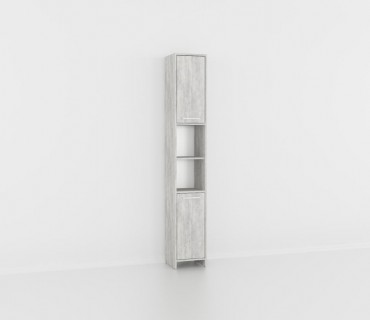
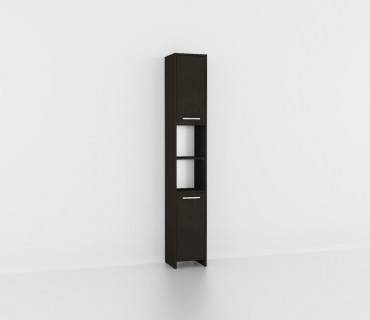
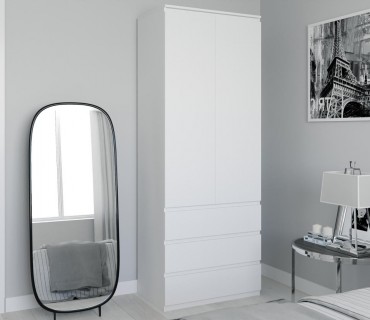
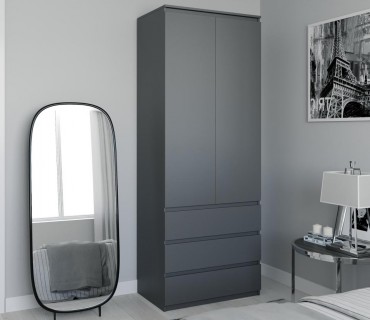
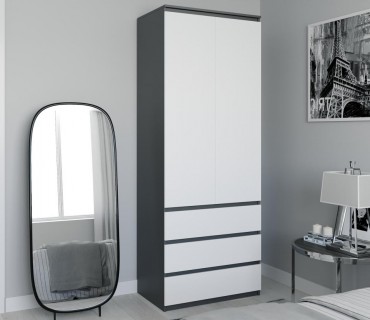
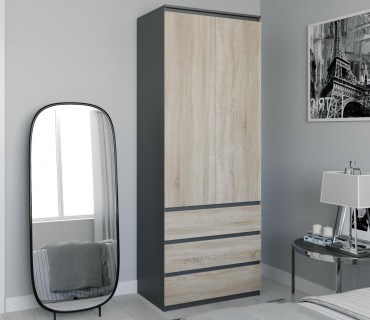
- Wonderful furniture finds await with thebonrush-uk.co.uk and modern home design ideas
- The Evolution of Interior Design Trends
- The Impact of Sustainable Materials
- Creating Cohesive Room Designs
- The Role of Lighting in Interior Design
- Maximizing Space in Smaller Homes
- The Benefits of Minimalist Living
- Understanding Different Furniture Styles
- Beyond Furnishings: Personalizing Your Space
Wonderful furniture finds await with thebonrush-uk.co.uk and modern home design ideas
Finding the perfect furniture and home décor can be a challenging, yet incredibly rewarding experience. Many individuals spend countless hours searching for pieces that not only suit their aesthetic preferences but also complement their lifestyle and budget. The rise of online retailers has certainly streamlined this process, offering a wider selection and greater convenience than traditional brick-and-mortar stores. One such platform gaining recognition for its diverse range of furnishings and commitment to quality is thebonrush-uk.co.uk. This online destination aims to provide a curated collection of items to transform houses into homes.
The appeal of modern home design lies in its versatility and ability to adapt to individual tastes. Whether you lean towards minimalist chic, rustic charm, or bold contemporary statements, there are endless possibilities to explore. Investing in well-chosen furniture isn't just about aesthetics; it's about creating functional spaces that enhance daily living. From comfortable sofas and stylish dining sets to space-saving storage solutions and eye-catching accessories, the right pieces can significantly impact the overall ambiance and usability of a home. Exploring options like those available at thebonrush-uk.co.uk allows customers to discover a spectrum of styles and find items that truly resonate with their vision.
The Evolution of Interior Design Trends
Interior design is a constantly evolving field, influenced by cultural shifts, technological advancements, and a growing awareness of sustainability. For decades, trends have swung from ornate and maximalist aesthetics to sleek, minimalist approaches. In recent years, there’s been a noticeable resurgence of mid-century modern design, characterized by clean lines, organic shapes, and a focus on functionality. This style often incorporates warm wood tones, muted colors, and iconic furniture pieces that have stood the test of time. More recently, biophilic design – incorporating natural elements into interior spaces – has gained significant traction, aiming to enhance well-being and create a connection with the outdoors. Think abundant houseplants, natural materials like wood and stone, and an emphasis on natural light. This approach responds to a collective desire for calming and restorative environments. The choices available today are significantly broader than those of previous generations, making personalized home design more accessible than ever before.
The Impact of Sustainable Materials
Consumers are becoming increasingly conscious of the environmental impact of their purchasing decisions, and this is particularly evident in the realm of home furnishings. There is a growing demand for furniture crafted from sustainable materials, such as reclaimed wood, bamboo, and recycled plastics. These materials not only reduce the strain on natural resources but also contribute to a healthier indoor environment, as they often emit fewer harmful chemicals compared to conventional alternatives. Furthermore, a commitment to ethical manufacturing practices is becoming a key consideration for many consumers, who want to ensure that the products they buy are produced under fair labor conditions. The increasing availability of sustainably sourced furniture doesn’t mean sacrificing style or quality; many designers are proving that eco-friendly choices can be both beautiful and durable. Choosing pieces from brands dedicated to responsible production is an investment in a more sustainable future.
| Material | Sustainability Level | Durability | Cost (Relative) |
|---|---|---|---|
| Reclaimed Wood | High | High | Moderate to High |
| Bamboo | Very High | Moderate | Moderate |
| Recycled Plastic | Moderate to High | Moderate | Low to Moderate |
| Solid Wood (Sustainably Sourced) | High | Very High | High |
The table above illustrates a quick overview of some prominent sustainable materials often used in furniture production. Evaluating these factors can assist in making informed decisions during your furnishing selection process, aligning aesthetic preferences with environmental consciousness.
Creating Cohesive Room Designs
A beautifully designed home isn't simply a collection of attractive furniture pieces; it’s a harmonious blend of color, texture, and form. Achieving a cohesive look requires careful planning and attention to detail. Starting with a color palette is a smart first step. Choosing a few key colors and using them consistently throughout a room creates a sense of unity and flow. Layering textures – such as soft rugs, plush cushions, and woven throws – adds depth and visual interest. However, it’s crucial to avoid overwhelming the space with too many different patterns or textures. A general rule of thumb is to limit the number of dominant patterns to around three, ensuring they complement each other rather than clash. It’s also important to consider the scale of the furniture in relation to the size of the room; oversized pieces can make a small space feel cramped, while undersized furniture can get lost in a large room.
The Role of Lighting in Interior Design
Often underestimated, lighting plays a crucial role in setting the mood and enhancing the functionality of a space. A well-lit room feels more inviting and comfortable, while poor lighting can make even the most stylish décor appear drab and unappealing. Layering different types of lighting is key – combining ambient lighting (such as ceiling fixtures), task lighting (such as desk lamps), and accent lighting (such as spotlights) creates a balanced and versatile scheme. Don’t forget the importance of natural light; maximizing daylight exposure can significantly brighten a room and improve overall well-being. Choosing the right light bulbs is also important, considering factors like color temperature and brightness to achieve the desired effect. Warm-toned bulbs create a cozy and relaxing atmosphere, while cool-toned bulbs provide a more energizing and focused environment. Carefully considered lighting elevates the design.
- Ambient Lighting: Provides overall illumination.
- Task Lighting: Focused light for specific activities.
- Accent Lighting: Highlights architectural features or artwork.
- Natural Light: Maximizes daylight exposure.
A considered approach to lighting not only improves the aesthetic appeal of a room but also enhances its functionality, making it a more pleasant and practical space to inhabit. Achieving the right balance creates a welcoming atmosphere.
Maximizing Space in Smaller Homes
Living in a smaller home presents unique challenges, but it also encourages creativity and resourcefulness. Maximizing space requires a strategic approach to furniture selection and layout. Opting for multi-functional pieces, such as sofa beds, storage ottomans, and extendable dining tables, can significantly increase usability without sacrificing floor space. Vertical storage solutions – utilizing shelves, bookcases, and wall-mounted cabinets – are also essential for making the most of limited square footage. A clever arrangement of mirrors can create the illusion of spaciousness, reflecting light and expanding the perceived dimensions of a room. Decluttering is paramount; regularly removing unwanted items frees up valuable space and creates a more organized and calming environment. Prioritizing essential furnishings and avoiding unnecessary clutter can transform a small home into a comfortable and functional living space.
The Benefits of Minimalist Living
Minimalism isn’t just about aesthetics; it’s a lifestyle choice that emphasizes intentionality and simplicity. By consciously reducing possessions and focusing on quality over quantity, individuals can create a more peaceful and fulfilling environment. Minimalist homes are typically characterized by clean lines, neutral colors, and a lack of excessive ornamentation. This approach fosters a sense of calm and clarity, reducing stress and promoting mindfulness. The benefits of minimalist living extend beyond the aesthetic realm; it can also lead to financial savings, as you’re less likely to accumulate unnecessary purchases. Embracing a minimalist mindset can be a liberating experience, allowing you to focus on what truly matters and create a home that reflects your values. It's about curating a space that enhances your well-being rather than overwhelming it.
- Declutter regularly to remove unwanted items.
- Invest in multi-functional furniture.
- Utilize vertical storage solutions.
- Choose a neutral color palette.
Implementing these steps can help you create a more spacious and calming home environment, embracing the principles of minimalist living.
Understanding Different Furniture Styles
From classic to contemporary, a vast array of furniture styles caters to diverse tastes and preferences. Familiarizing yourself with these styles can help you make informed choices and create a cohesive aesthetic in your home. Traditional styles, such as Victorian and Queen Anne, are characterized by ornate detailing, rich fabrics, and dark wood finishes. Modern styles, like Mid-Century Modern and Scandinavian, emphasize clean lines, functionality, and natural materials. Contemporary styles are constantly evolving, reflecting current trends and incorporating innovative designs. Understanding the defining features of each style allows you to create a home that reflects your personal taste and enhances your lifestyle. Researching different styles and exploring inspirational images can help you develop a clear vision for your space. The key is to choose pieces that complement each other and create a harmonious overall look.
Furthermore, don’t be afraid to mix and match styles; blending elements from different eras can create a unique and eclectic aesthetic. However, it’s important to do so thoughtfully, ensuring that the different styles complement each other rather than clash. A few carefully chosen statement pieces can add personality and character to a room, while maintaining a cohesive overall aesthetic. Ultimately, the goal is to create a home that feels comfortable, inviting, and uniquely yours.
Beyond Furnishings: Personalizing Your Space
While furniture is a cornerstone of home design, it’s the personal touches that truly transform a house into a home. Incorporating artwork, photographs, and cherished mementos adds personality and tells a story. Adding plants brings life and vibrancy to a space, improving air quality and creating a connection with nature. Textiles, such as rugs, curtains, and cushions, can add warmth, texture, and color, enhancing the overall ambiance. Don’t underestimate the power of accessories; carefully chosen decorative items can add character and complete the look. Consider creating a gallery wall showcasing your favorite artwork and photographs, or displaying a collection of objects that hold special meaning. Thebonrush-uk.co.uk offers a variety of decorative accents that can help you style each room to perfection.
Remember that your home should be a reflection of your personality and lifestyle. Don’t be afraid to experiment with different styles and incorporate elements that you love. Creating a space that feels comfortable, inviting, and uniquely yours is the ultimate goal. By combining well-chosen furnishings with personal touches, you can transform your house into a sanctuary where you can relax, recharge, and celebrate life’s moments.